
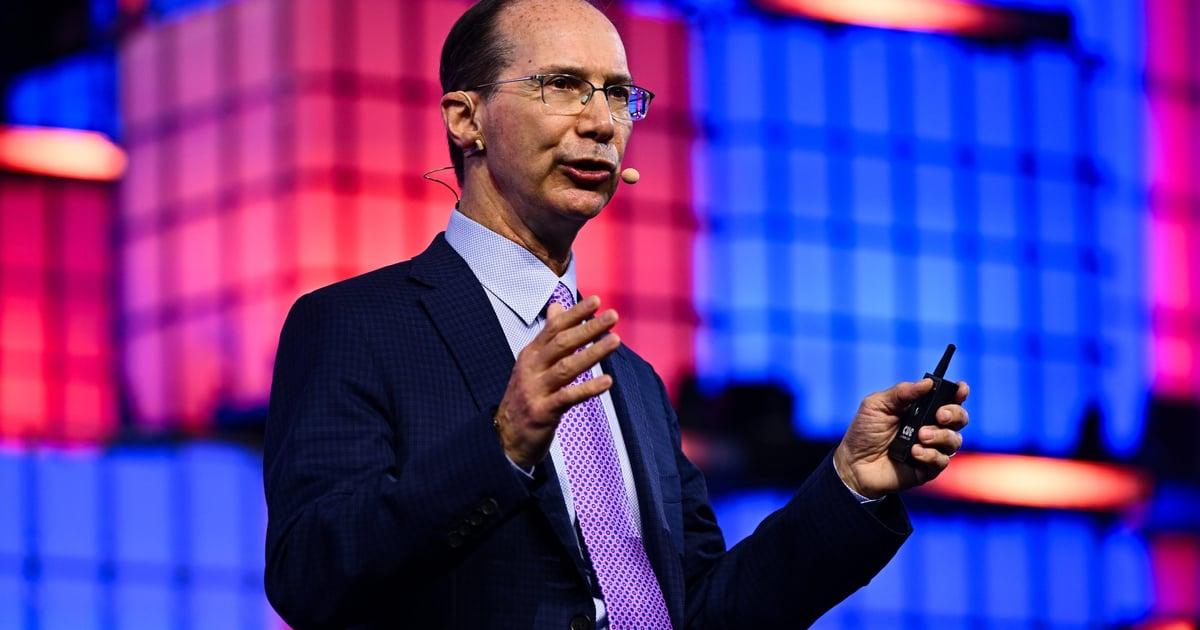
Most Americans say they would like to run their own business, but many do not know how to begin. Bill Gross, the serial entrepreneur behind one of the longest-running technology incubators, thinks he can help. His latest project is a free database of more than a million artificial intelligence-generated business ideas, and he believes it could reshape the U.S. labor force.
Gross founded Idealab in 1996, a Pasadena-based incubator that has produced dozens of public offerings and acquisitions. After making his fortune in software, he has turned his attention to Idealab.ai, a platform that uses AI to generate startup concepts and offers support and funding to the people who pursue them.
His ambition is unusually large. Gross wants the platform to help create 100 million jobs worldwide, using the same technology that many workers fear will eliminate positions. He argues that a boom in small American businesses could ease wealth inequality and soften macroeconomic pressures such as the rising national debt.
A million companies, not a million jobs
Speaking to Fortune on the sidelines of the Web Summit conference in Lisbon, Gross said he dreams of launching a million companies. He told investors that China already has 30 million one-person businesses, and the United States could match that number.
“If you had 30 million one-person companies in the United States, that would really do a lot for taxation,” Gross said. “That would do a lot for income equality, and that would do a lot for not having people near the bottom worried about where they stand relative to the people at the top.”
He sees AI as a leveling tool. Rather than concentrating wealth in a handful of giant technology firms, Gross hopes the technology can enable millions of small but profitable companies. In his view, that distribution would be more equitable than the current model.
How the idea factory works
Idealab.ai is built around a database of 1.2 million AI-generated business ideas. The system scans thousands of news articles and consumer problems from around the world, ranging from local complaints about potholes to demand for niche technology products.