
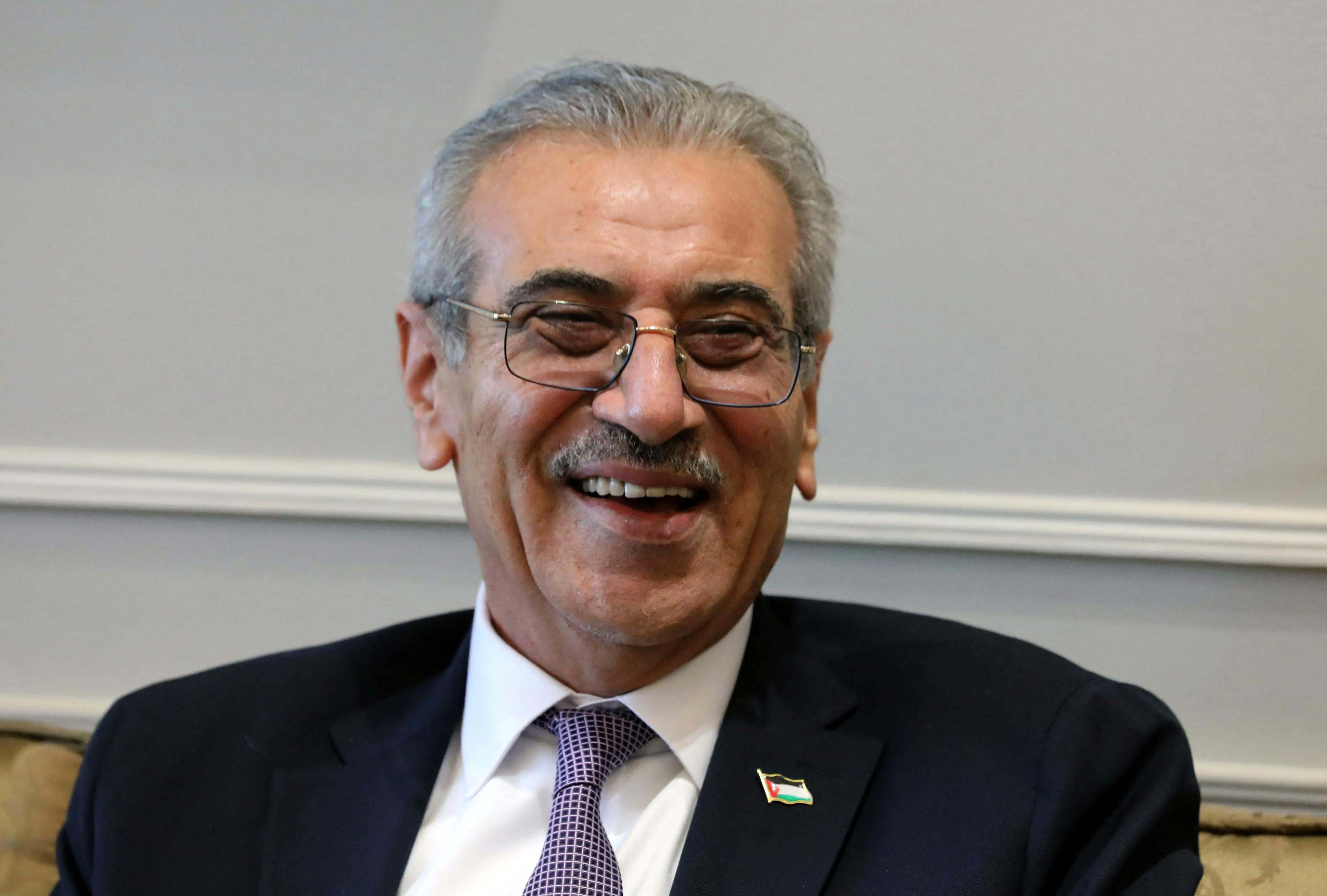
Ali Abdel Hamid Shaath, the Gaza administrator installed under the Trump administration's 20-point peace plan, has a characteristically blunt idea for the enclave's mountains of war rubble: push it into the Mediterranean Sea. "If I brought bulldozers and pushed the rubble into the sea, I can win new land for Gaza and at the same time clear the rubble. This won't take more than three years," he has said, according to a Foreign Policy report. Shaath, a Khan Younis-born civil engineer who studied in Cairo and Belfast and previously served as the Palestinian Authority's deputy minister of planning and minister of transport, now leads the U.S.-appointed National Committee for the Administration of Gaza, or NCAG.
Shaath's résumé makes him, on paper, an unusually acceptable figure to both sides: he is advertised on the NCAG's own website as capable of managing "complex multi-million-dollar budgets" and building partnerships with governments, development banks, and private investors, and a former Israeli security official told Foreign Policy he was vetted before his appointment was made official. He has already met with the European Union's envoy, the largest donor community involved in Gaza's reconstruction. "We are Palestinian minds, not weapons," Shaath said in January of the roughly dozen NCAG members tasked with running Gaza's interim governance, a framing that fits President Donald Trump's stated vision of using economic development, rather than a political settlement, as the path to reconciliation.
That framing is exactly what worries many Palestinians, the report notes, even as Hamas has said it is ready to hand Gaza's administration to the technocrat. Muhammad Shehada, a fellow with the European Council on Foreign Relations, warned that Shaath will now take over functions the Palestinian Authority used to run in Gaza, from the Rafah crossing to school textbooks, which "could risk breaking the existing coordination between Gaza and the West Bank." Eran Lerman, a retired Israeli intelligence colonel and former deputy national security advisor, told Foreign Policy there is "no timetable" for when the NCAG's work will end, and floated it as a possible governance model that could eventually extend to the West Bank, though he said there is no current plan to replace the Palestinian Authority.