
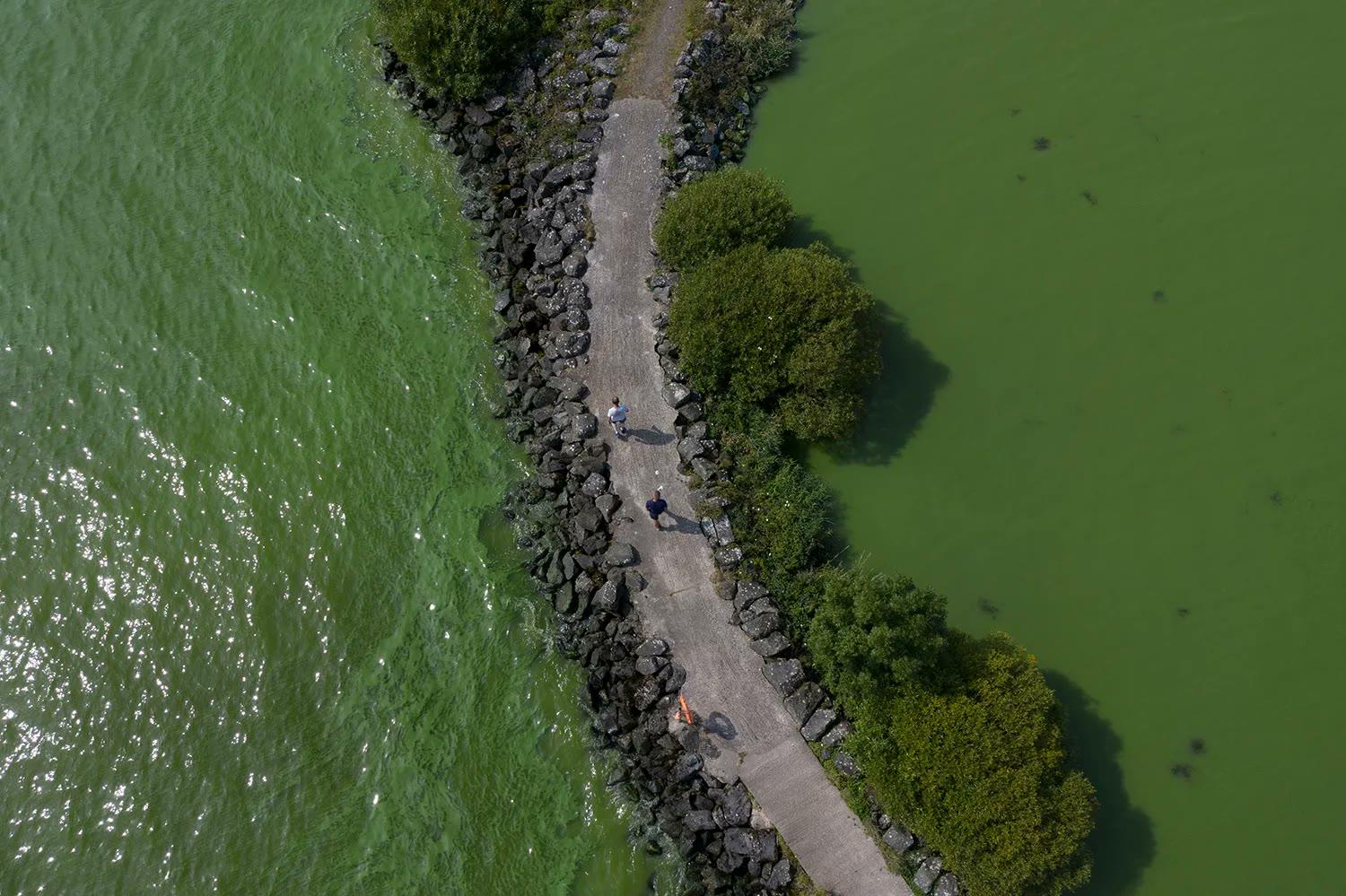
A new novel by the Northern Irish writer Jan Carson is drawing attention for the way it folds the region's unresolved history into an invented one. According to a review by Maxine Davey in Foreign Policy, Few and Far Between builds its story around a real proposal from 1958, when Northern Irish leader Terence O'Neill floated the idea of draining Lough Neagh, the largest lake in the British Isles. In reality the scheme was quickly judged unworkable and abandoned. In Carson's novel, it goes partly ahead.
The book imagines the drained lake leaving behind a receded shoreline and a cluster of islands, and it follows a young anthropologist named Alex as she returns to that place to examine her own history. Her mixed Catholic and Protestant parents raised her there, on ground that, as the Troubles took hold in the late 1960s, became a refuge for people in mixed religious marriages and others who faced discrimination elsewhere in Northern Ireland. Davey's review notes that Carson, as in her earlier fiction, combines dark humor with magical realism to work through the lingering effects of the Troubles alongside more contemporary anxieties, and to examine the pull of nostalgia in both personal life and politics.
The novel arrives while Northern Ireland's real history from the same period remains an open, active matter of public accounting. The Troubles were a roughly three decade sectarian conflict between Protestant unionists, who wanted Northern Ireland to stay part of the United Kingdom, and Catholic nationalists, who wanted it to join a united Ireland. The 1998 Good Friday Agreement is generally credited with ending the fighting, but four months after it was signed, the Irish Republican Army carried out the Omagh bombing, killing 29 people. It remains the deadliest single terrorist attack in Northern Ireland's history.