
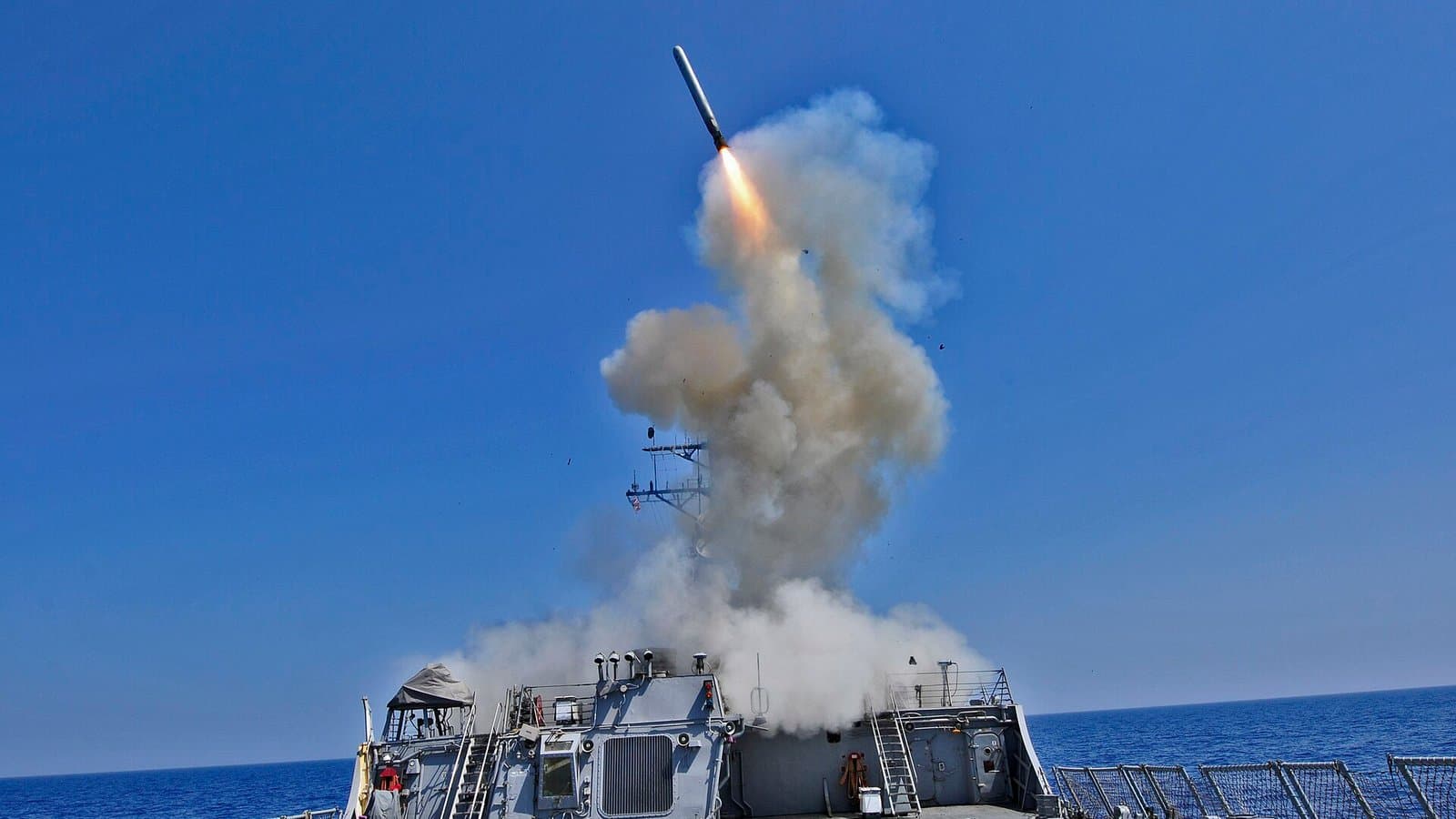
Nearly six months into the U.S. conflict with Iran in and around the Strait of Hormuz, a new analysis published by Foreign Policy argues that the campaign's problems are not primarily about logistics or equipment shortfalls. Foreign Policy contributor Bret Devereaux writes that while commentators have focused on gaps such as thin stocks of precision munitions and interceptors, weak defenses against cheap one way attack drones, and too few minesweepers, none of those fixes would have solved the deeper issue: the war's stated political goals were not achievable through airpower alone.
According to the analysis, the toll of the fighting has been lopsided. U.S. forces have suffered at least 18 dead and more than 600 wounded, while Iranian losses are believed to run into the thousands, though no precise count is available. Despite that imbalance, Devereaux argues the Trump administration has not secured any of its three original objectives: toppling Iran's government, destroying its long range strike capability, or forcing a change in Iranian nuclear and proxy policy.
The piece places the campaign in a longer history of air wars that failed to break a government's will through bombing alone. It points to the Blitz, when roughly 40,000 tons of German bombs on London hardened British resolve rather than breaking it, and to the Allied bombing of Germany in World War II, which caused serious damage without forcing surrender. Even the closest historical case of airpower appearing to topple a regime, NATO's 1999 campaign against Slobodan Milosevic's Serbia, is more complicated than it looks, according to the analysis: the bombing stopped in June 1999, and Milosevic was not actually removed from power until street protests forced him out more than a year later, in October 2000.
Devereaux's analysis extends the same argument to Iran's mobile missile and drone launchers, describing repeated historical failures to eliminate that kind of target from the air. Allied bombing in World War II, under the campaign codenamed Operation Crossbow, could not stop German V-1 and V-2 launches. Coalition aircraft hunting Iraqi Scud launchers during the Gulf War could not confirm a single kill. Israel's air campaigns over Gaza and Lebanon against Hamas and Hezbollah rocket fire, and multiple coalitions' efforts against Houthi missiles and drones launched from Yemen, have similarly failed to end those threats from the air, with the analysis noting that only ground operations have managed to quiet rocket fire in past conflicts.
With regime change and the destruction of mobile launchers judged unlikely to succeed from the air, the analysis describes the campaign's current fallback as an attempt to run something close to complete missile defense over the Gulf, shielding the infrastructure of Gulf Cooperation Council states that host the U.S. military effort. Devereaux notes that heavier investment in cheaper interception methods, similar to those used in Ukraine, plus more short range air defense, might have improved the intercept rate, but argues that in an environment where drones and missiles remain far cheaper to build than the systems meant to stop them, Iran was always likely to eventually saturate the region's defenses.
The strategic risk Foreign Policy highlights is that the war may end by leaving Iran with a freer hand over its nuclear program and greater practical control of the Strait of Hormuz, translating into more influence over Gulf states than before the conflict began. The analysis frames this as the predictable result of asking the military to accomplish tasks that history suggests airpower, on its own, has rarely been able to deliver.