
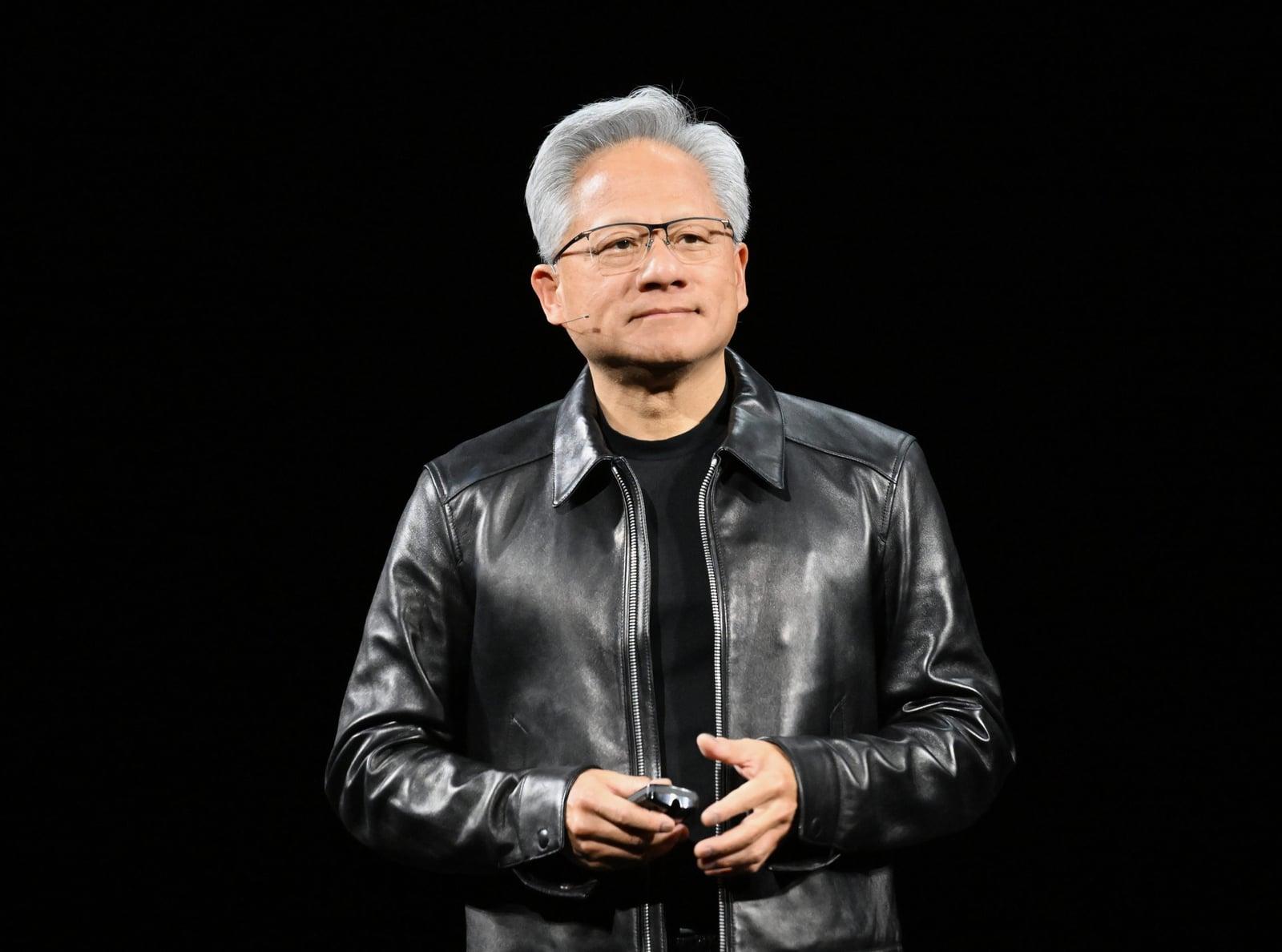
Nvidia's board said on Sunday that independent directors and outside counsel will oversee a review of Chief Executive Jensen Huang, after media reports tied him to an executive U.S. intelligence suspects was working as a spy for China. The announcement places the world's most valuable chipmaker at the center of Washington's intensifying campaign against economic espionage.
What the board is investigating
The board's statement said Huang supports the review and plans to cooperate. It added that directors have no reason to believe U.S. national security or Nvidia secrets were compromised, but that the inquiry will examine all available information. The review follows reports that Huang had a romantic relationship with Alice Huang, an executive at Singapore-based data-center company Megaspeed, and that he apologized to employees for being unfaithful to his wife.
The China connection
Alice Huang is not related to Jensen Huang, but she has become a person of intense interest to U.S. investigators. According to the Financial Times and the New York Times, U.S. officials believe she was recruited by China's Ministry of State Security and that surveillance indicated she was passing information to Beijing. Megaspeed, where she worked, quickly became one of Nvidia's largest customers in Asia, purchasing more than $4.8 billion in chips over the past two years. The company was also investigated last year for allegedly helping smuggle restricted AI chips into China, an accusation it has denied.
Why the Pentagon cares
Nvidia's graphics processors power the large language models at the heart of the global AI race. The Trump administration has restricted exports of the company's most advanced chips to China, viewing control over AI hardware as central to U.S. national security. The Huang case lands at a moment when the Pentagon and intelligence agencies are reportedly expanding their focus on economic warfare, including deeper espionage against Chinese companies in AI, biotechnology, and semiconductors.