
Russia and Ukraine traded unusually heavy blows this week, with Moscow bombarding Ukraine with North Korean ballistic missiles and Kyiv striking a Russian Black Sea naval base in what Ukrainian President Volodymyr Zelensky called "a unique operation," according to Foreign Policy's World Brief writer Alexandra Sharp. Russia hit the southeastern city of Zaporizhzhia with a barrage of North Korean-supplied missiles, exploiting Ukraine's critical shortage of Patriot interceptors. Zelensky suggested over the weekend that Pyongyang could send an additional 50,000 troops to support Russia's war effort, a sign of how deep the two countries' military ties have grown.
Ukraine answered with a nighttime attack on Russia's naval base at Novorossiysk, nearly 200 miles from the front line on the Black Sea's far eastern reaches. Kyiv sent long-range, jet-powered Palianytsia drones, Neptune cruise missiles, and unmanned naval vehicles at military infrastructure and the Black Sea Fleet, which had reportedly already retreated there from Crimea. The strike killed Russian civilians, according to the region's governor, and satellite imagery showed fires burning at major oil terminals. The Black Sea is once again becoming a central front: Russia claimed an attack on a Ukrainian cargo vessel, and Romania's army reported destroying two Russian drones found near its largest offshore gas project. Foreign Policy contributor Paul Hockenos writes that the mutual strikes on ports and ships are effectively shutting down Black Sea trade routes, threatening both Russian oil exports and the bulk of Ukraine's agricultural exports.
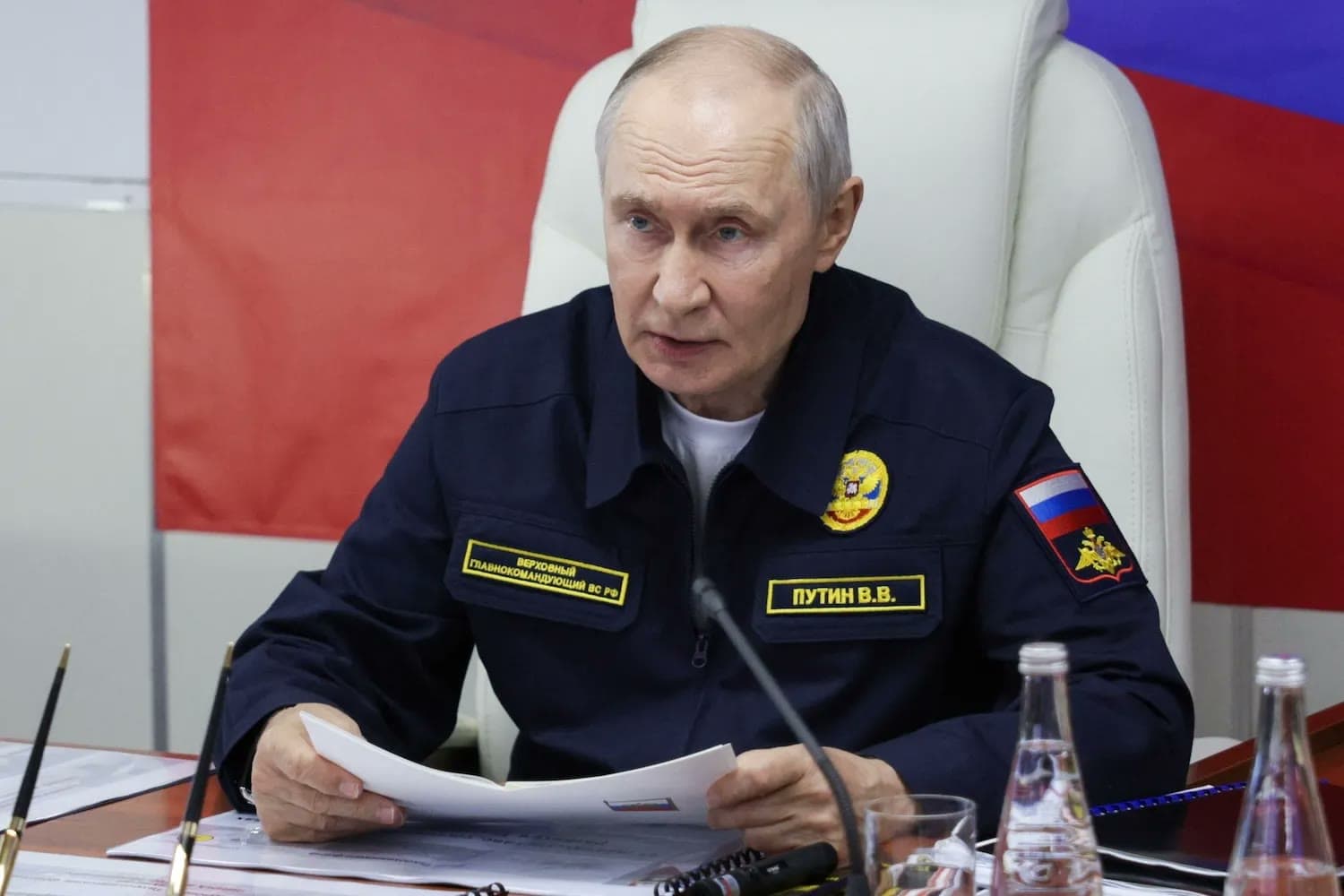
Russian President Vladimir Putin, overseeing naval drills in the country's far east, warned Europe against further seizures of vessels suspected of belonging to Russia's sanctions-evading shadow fleet. If European states continue to "plunder" ships carrying Russian cargo, he said, Moscow will be "forced to respond in kind," with retaliation coming "wherever we ourselves deem it necessary and appropriate." Sharp notes the exchange is part of a broader pattern in which both sides are pushing the war beyond its deadlocked front lines, at a rising cost in civilian lives. Although Ukraine says it has handed U.S. negotiators proposals to end the war, analysts, and Zelensky himself, remain skeptical Russia wants anything but escalation. The Institute for the Study of War concluded this week that "Ukraine's Patriot shortages offer Russia an opportunity to cause very serious damage to Ukraine over the coming winter and will therefore contribute to delaying meaningful negotiations and protracting the war."