
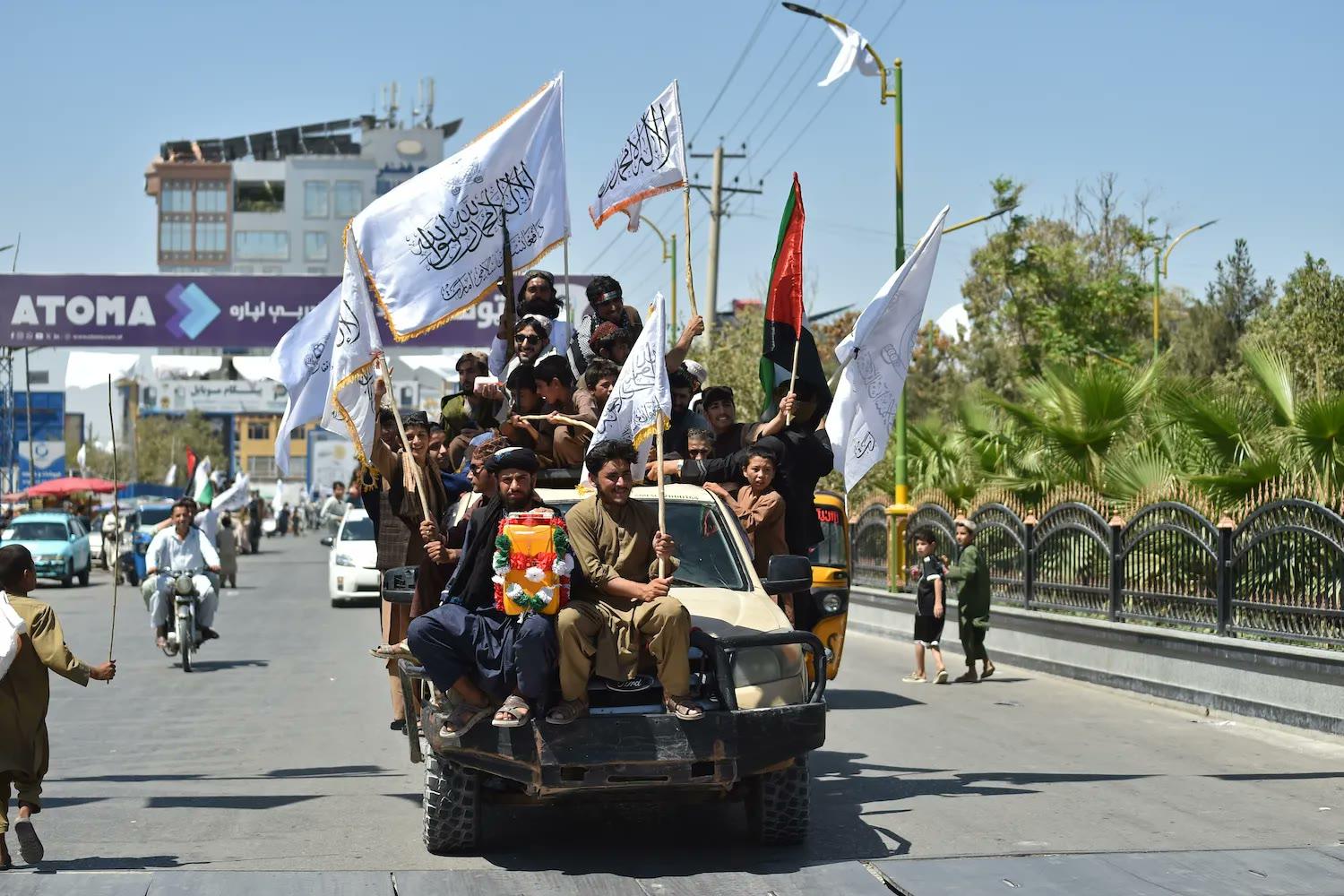
Five years after the Taliban swept back into Kabul as U.S. forces withdrew, the group has proven more durable than most observers expected, according to Foreign Policy South Asia Brief writer Michael Kugelman. The Taliban remain globally isolated and sanctioned, recognized as Afghanistan's government only by Russia, and widely condemned for their treatment of women and girls. But Kugelman argues that on the narrower question of holding power, the group has managed a level of stability, achieved through repression, that now looks increasingly fragile.
That stability has rested on four pillars, per the analysis. The Taliban have faced no serious threat to their political survival, with periodic attacks from Islamic State-Khorasan (IS-K) mostly reinforcing the group's claim to be the only alternative to something worse. Security has measurably improved by some counts: Afghanistan has not been at war since August 2021 after four decades of conflict, and terrorist attacks have declined following Taliban offensives against IS-K, even as the country remains dangerous for women, religious minorities, and dissidents. The economy has also outperformed expectations, with the World Bank estimating close to 5 percent real GDP growth this year. And diplomatically, the Taliban are isolated but not pariahs: nearly 20 countries maintain a diplomatic presence in Kabul, Taliban officials sit in posts across Asian capitals, Western governments including the United States have held periodic meetings with the group, and Taliban representatives were invited to the 2024 U.N. climate summit.