
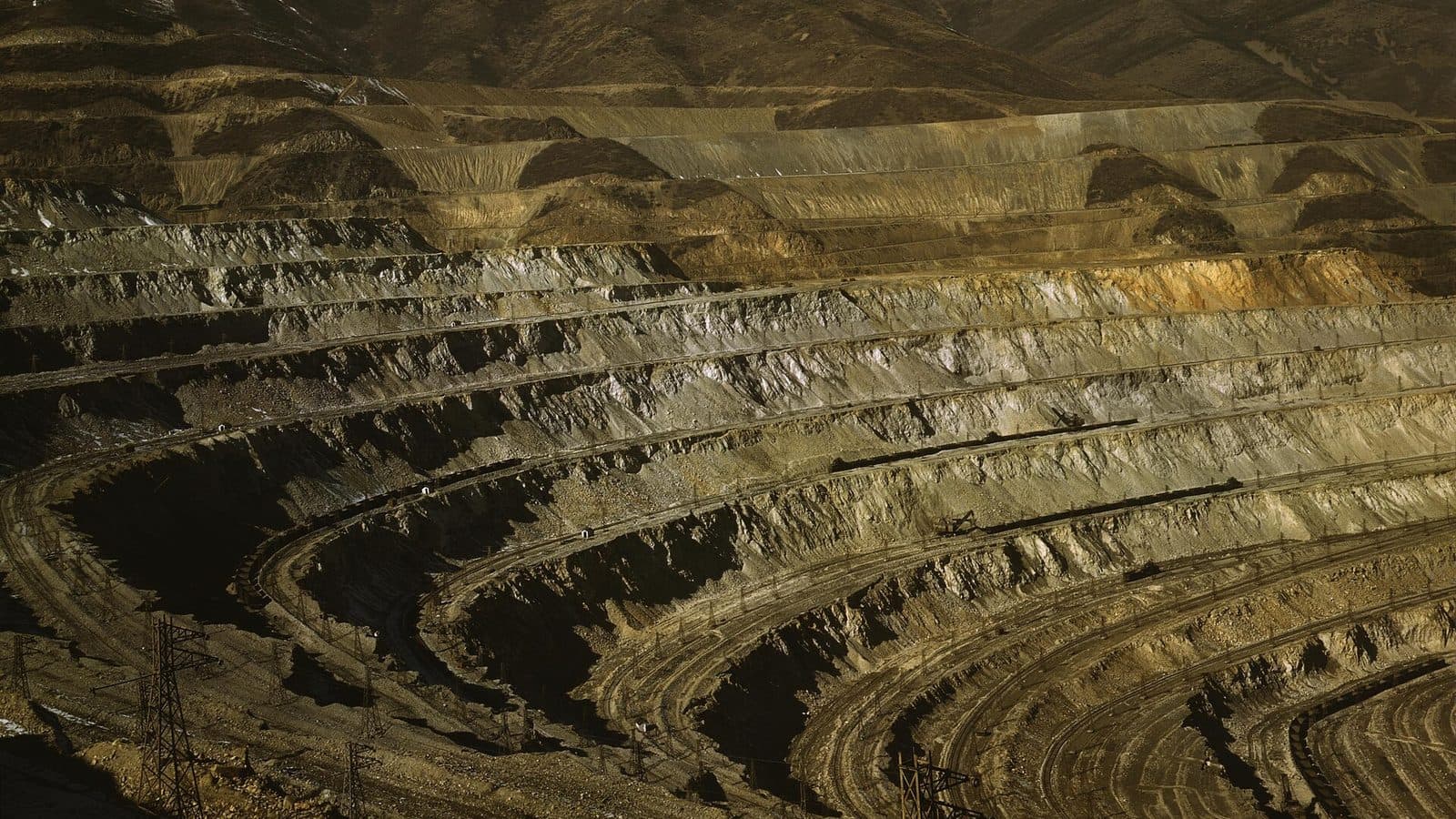
Copper has overtaken gold as the mineral market's biggest story this year, according to Forbes, after prices reached an all-time high of $6.80 a pound. The rally is being driven by tightening supply, with little new mine development, some closures, declining ore grades at aging deposits, and repeated operational disruptions, at the same time that demand is climbing from electric vehicles, which use significantly more copper than combustion engine cars, and from data centers, where demand for cabling and equipment has risen sharply.
The part of the story drawing the sharpest warnings, per Forbes, is not the mining side but smelting. China has accounted for more than 90 percent of the growth in global copper smelting capacity since 2005, and its state owned, heavily subsidized smelters are now running at roughly 85 percent utilization, well above the under 70 percent typical of Western facilities. Treatment and refining charges, the fees smelters earn to process raw ore into metal, have fallen to what Forbes describes as all time lows and in some cases gone negative, a level that is pushing Western smelters to cut production or shut down outright, with some requiring government bailouts to stay open.
Forbes quotes Brendan Pearson, a former chief executive of the Minerals Council of Australia and former OECD ambassador, warning that the pattern points toward a geopolitical chokepoint in the copper concentrate trade, language that deliberately echoes what already happened in rare earths, where Chinese processing capacity now dominates global supply chains for materials used in everything from magnets to defense hardware.
Miners with exposure to the rally have benefited regardless of the smelting concerns. Forbes reports that BHP shares are up 55 percent over the past year to A$63.52, Sandfire Resources has gained 80 percent to A$21.15, and Freeport McMoRan has risen 70 percent to $70.51, gains that reflect strong demand for the raw ore even as the processing end of the supply chain concentrates further in Chinese hands.
The concern for governments and manufacturers outside China, according to the Forbes reporting, is less about today's copper price and more about what happens if Western smelting capacity keeps shrinking while Chinese capacity keeps growing. A rare earths style outcome, where a handful of Chinese processors effectively set terms for a metal the rest of the world depends on, would leave copper consuming industries with far less room to negotiate than a simple supply and demand story would suggest.