
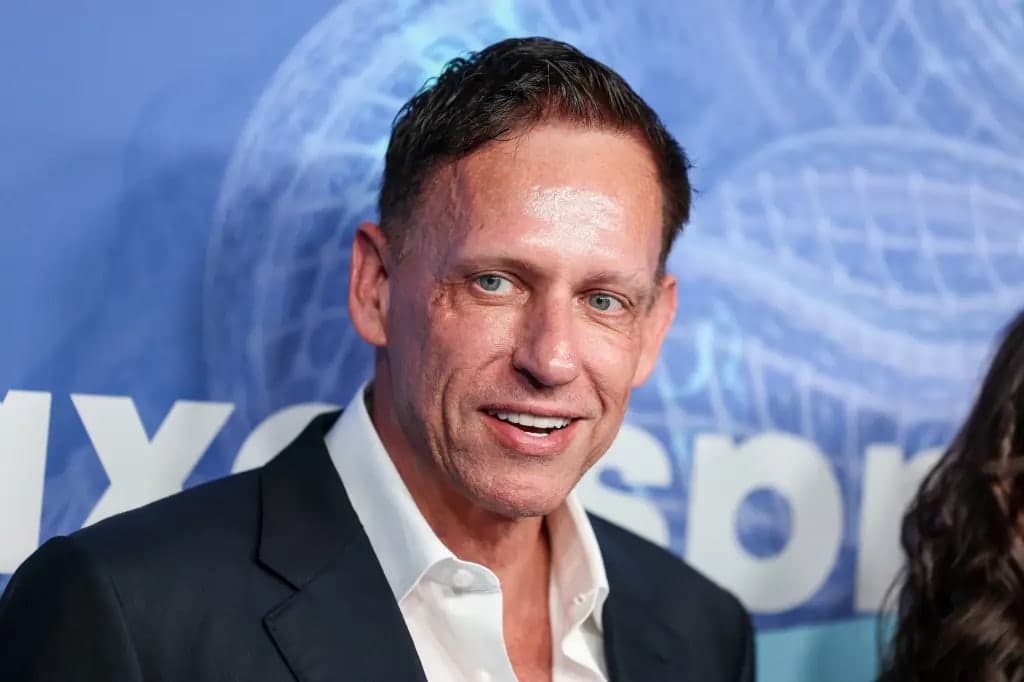
Peter Thiel, the PayPal and Palantir cofounder, used a pair of lectures in Nashville this fall to accuse Barack Obama and Pope Leo XIV of stoking public fear of artificial intelligence for their own benefit, part of an ongoing lecture series in which Thiel frames AI regulation through the theological lens of the Antichrist. Speaking on September 28 and again on October 5, Thiel argued that prominent critics of unrestrained AI development understand the technology is politically unpopular and are using that unease to raise their own profiles. "Many people know that AI is politically unpopular and want to leverage that to boost their own popularity," he said, according to Fortune.
Thiel's target list included the former U.S. president as well as the pope, whose encyclical on AI ethics, Magnifica Humanitas, was released in May. Thiel went further on the pope specifically, suggesting the Vatican's emphasis on AI safeguards functions as a convenient distraction from the Catholic Church's abuse scandals — a claim that casts the pontiff's stated moral concerns about the technology as self-interested rather than sincere.
A years-long campaign against the 'Antichrist' of centralized control
The Nashville talks are the latest stop in a lecture series Thiel has carried from San Francisco in the fall of 2025 to Paris in January and Rome in March of this year. Across those appearances, Thiel has built out a theological framework in which he casts calls for AI regulation and global coordination as a step toward the kind of centralized, planet-spanning authority he associates with the biblical Antichrist — an argument aimed less at specific AI safety proposals than at the broader instinct to regulate powerful new technology at all.