
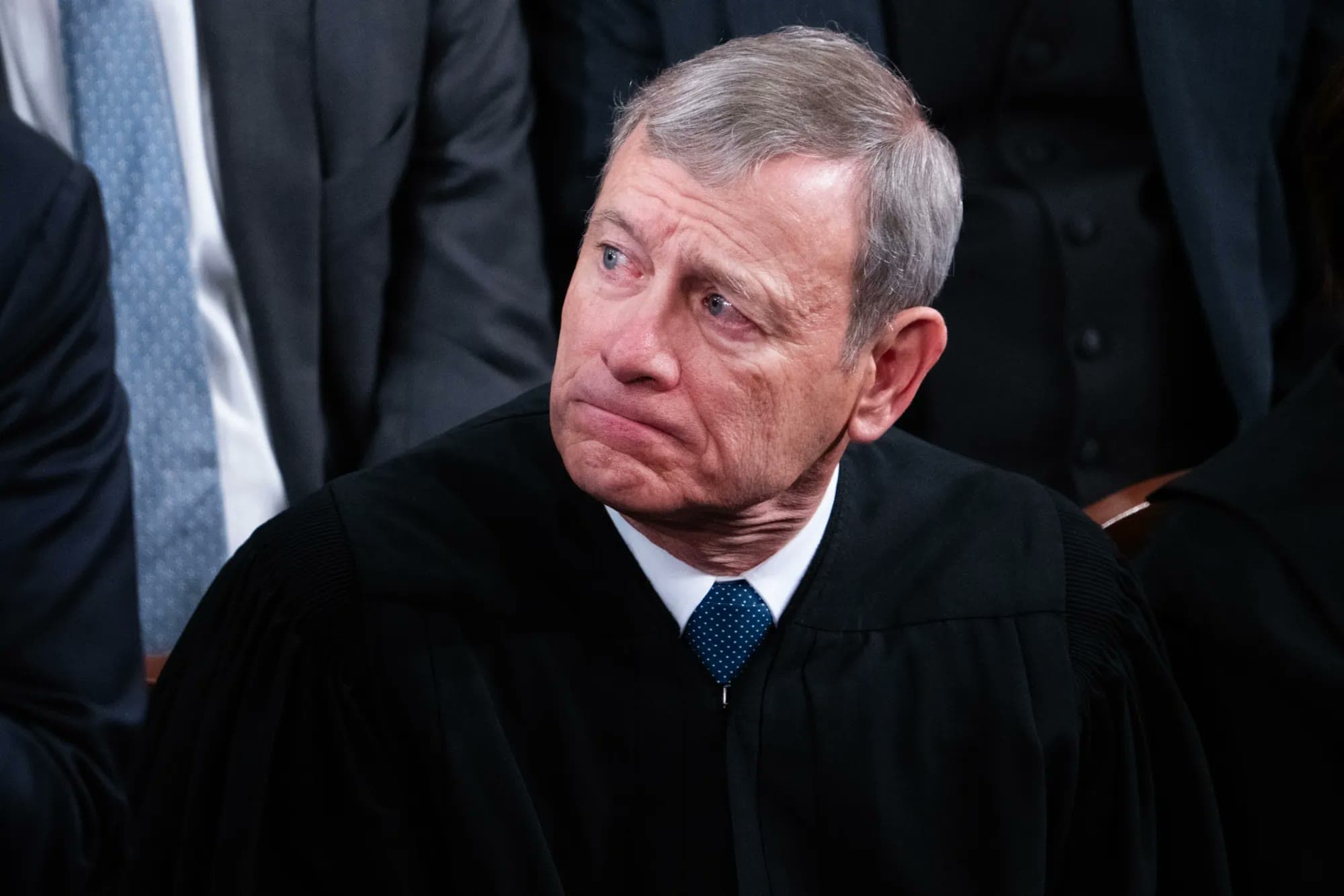
The Supreme Court has cleared the way, at least for now, for President Trump's executive order restricting mail-in voting to take effect for the November 2026 elections, ruling on Aug. 24 that the states challenging it never had standing to sue in the first place. The order, reported on by Bloomberg's Next Africa sister newsletter covering U.S. politics, had been blocked by a federal district court injunction covering 23 states and Washington, D.C. The Court's unsigned majority opinion paused that injunction without ruling on whether the order is actually lawful, deciding the case on narrower procedural grounds instead.
The order itself has three parts. It directs the Department of Homeland Security to compile an adult-citizen voter list for every state, delivered at least 60 days before a federal election; it instructs the attorney general to prioritize investigating and prosecuting election officials who issue ballots to people not on those lists; and it requires states to hand their voter rolls to the U.S. Postal Service, which would then be barred from mailing ballots to anyone not "enrolled." The states that sued argued all three provisions would disrupt how they run elections. The majority disagreed that any of it had harmed them yet: the DHS list requirement was, in the Court's words, just "an internal directive from the President" that demands nothing of states, the prosecution directive falls within ordinary presidential authority, and the USPS rule wasn't even final, let alone in force, when the states filed suit. The Court held that states have to wait until a finished USPS rule actually harms them before they can challenge it in court.