
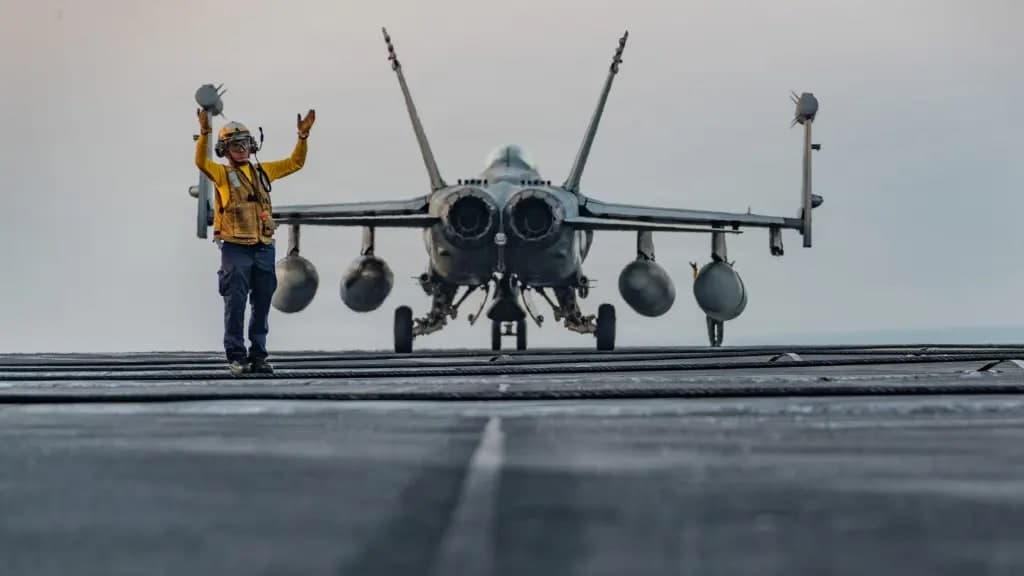
U.S. Central Command chief Adm. Brad Cooper used a video message posted Friday to lay out the toll a U.S.-led naval blockade has taken on Iran's economy, saying the operation has kept more than $25 billion in crude oil exports off the market and frozen roughly $350 million in Iranian cryptocurrency assets. Oil sales ordinarily account for about a third of Iran's state budget, and with that revenue cut off, the country's currency has been in free fall while inflation has climbed to roughly 90% and is still accelerating month over month.
The strain has reached the institution the regime depends on most for internal security. The Islamic Revolutionary Guard Corps has been unable to pay its own troops on schedule, and Iran-aligned militia groups have reportedly been withholding pay from their own fighters in order to funnel resources toward the IRGC instead. Even Iran's own leadership has acknowledged the severity of the moment: Mohsen Rezaei, one of the country's top security officials, has described the current period as among the most difficult the country has ever faced, and Supreme Leader Mojtaba Khamenei has voiced concern over the economic trajectory.
Pensions, resignations, and installment-plan groceries
The pressure is visible well beyond military payrolls. Retired government employees have staged protests over unpaid pensions, and workers in both the public and private sectors have announced resignations, citing pay that no longer covers basic costs. Some consumers have turned to installment plans just to buy groceries, a sign of how far household purchasing power has eroded as the rial continues to slide.