
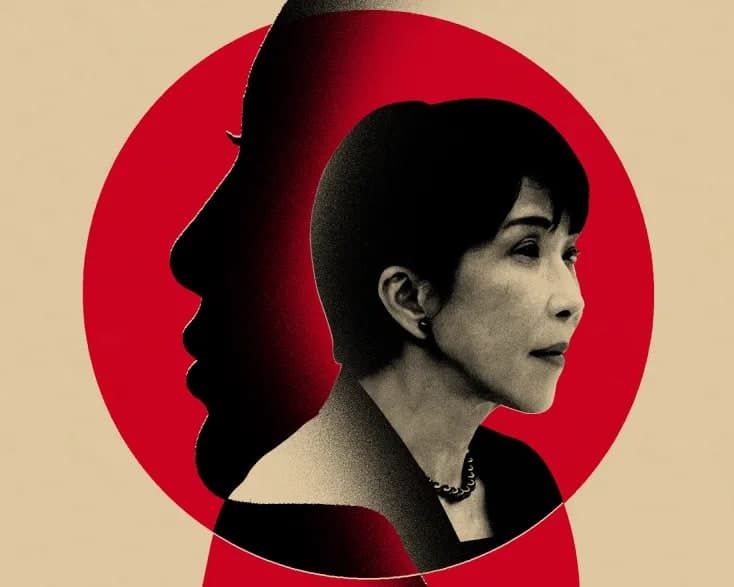
When Sanae Takaichi was sworn in as Japan's first female prime minister on October 21, 2025, it was treated as a historic breakthrough for a country that has long lagged behind other advanced economies on women's representation in politics. A year into her tenure, the numbers around her own Cabinet tell a more complicated story. A reshuffle this past September left women holding just 2 of 18 Cabinet posts, roughly 11% — the same share her predecessor, Shigeru Ishiba, managed, and well below the five women Fumio Kishida appointed in 2023, still the modern record.
The two women in Takaichi's Cabinet are Finance Minister Satsuki Katayama and economic security minister Kimi Onoda. Counting the prime minister herself, women account for roughly 16% of the Cabinet's membership — a historic first at the top, attached to a Cabinet whose overall gender balance looks much like the ones that came before it.
A quota she has long rejected
The gap between symbol and substance traces back to Takaichi's own stated views. She has been a consistent opponent of gender-based quotas, including proposals for a minimum share of female Cabinet seats, arguing instead for a system where men and women compete on equal footing and are evaluated purely on performance. That philosophy puts her at odds with the approach taken by many of the Nordic governments she once pointed to as a benchmark, where formal targets or quotas have been central to achieving gender parity in government.