
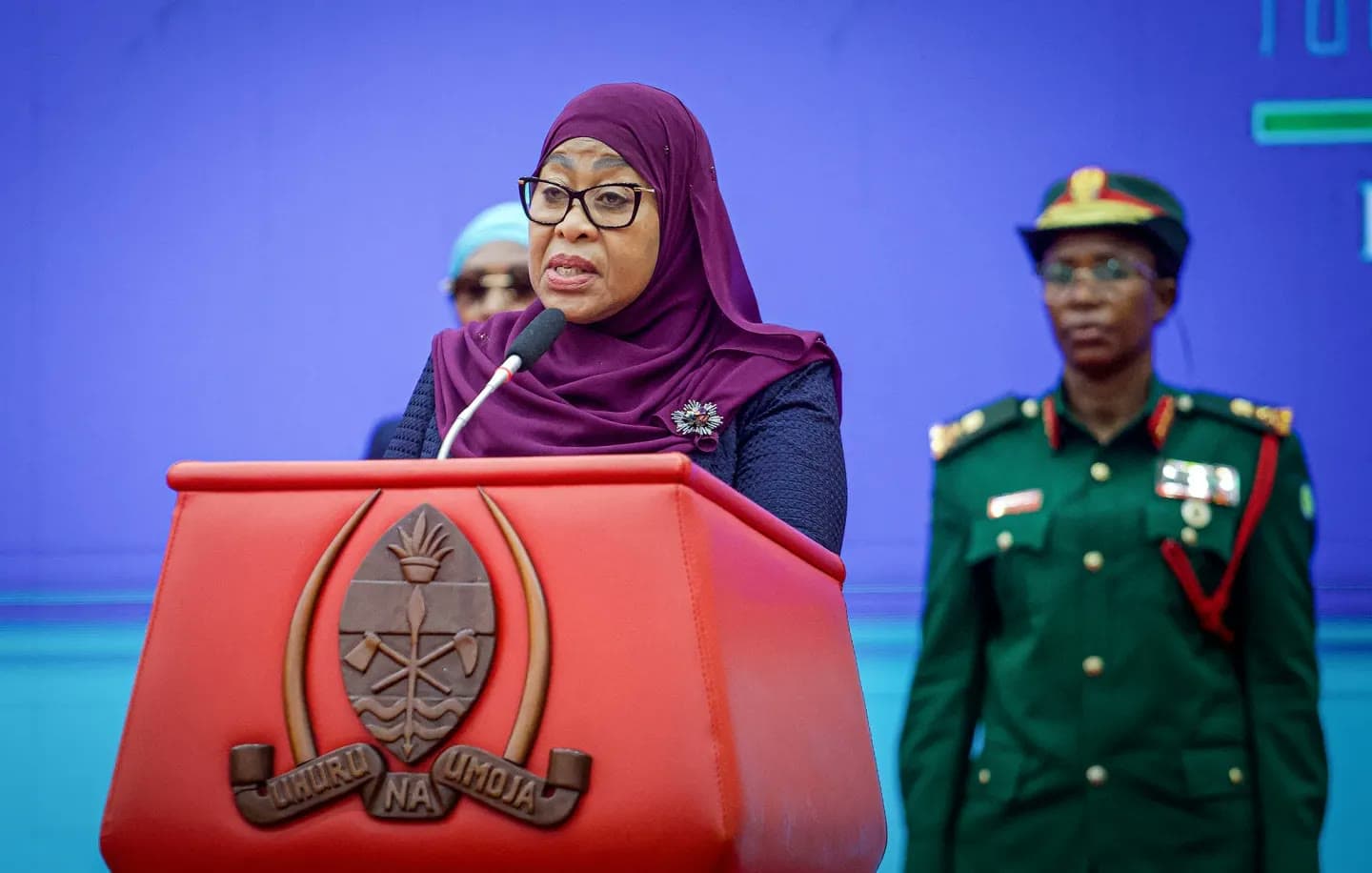
Tanzania's ruling party has expelled the vice president it was in the process of losing anyway, an unusually public rupture in a party that has governed the country without interruption since independence in 1961, according to Bloomberg's Next Africa newsletter. Emmanuel Nchimbi announced last week that he would step down as vice president effective Sept. 4, saying only that he intended to remain "a good citizen" of Tanzania. On Aug. 27, before his resignation had even taken effect, the Chama cha Mapinduzi party voted to expel him outright for "indiscipline." CCM Secretary-General Asha-Rose Migiro announced the party would nominate Energy Minister Deogratius Ndejembi as his replacement.
Analysts see the timing, and the choice to expel rather than simply accept a resignation, as retaliation, and a sign of how badly Nchimbi's departure has rattled a party built on the appearance of orderly, internal transitions of power. Tanzania has typically rotated its leadership every five to ten years without the kind of open party warfare now playing out in public. Nchimbi's exit follows disagreements over how President Samia Suluhu Hassan handled the government's response to unrest after her October 2025 reelection, according to Bloomberg's reporting, a response that has come to define, and threaten, her presidency.
That election delivered Hassan a nearly 98 percent margin, a result opposition figures and outside observers have called implausible on its face. When youth-led protests erupted over the outcome, the government shut down internet access nationwide while security forces opened fire on unarmed demonstrators. The resulting crackdown killed 518 people by official count, though Mohamed Chande Othman, who led the independent investigation into the violence, has suggested the true toll is higher. Hassan later apologized for the crackdown, but her leading rival, opposition leader Tundu Lissu, remains imprisoned on treason charges he says are politically motivated. Earlier this month, authorities suspended the independent weekly Mwanahalisi for six months over its reporting on tensions inside the government, part of a broader pattern of pressure on independent media covering the fallout.